
+65 9667 6795
- Struggling with a non-healing wound?
Supporting Patients with Chronic and Non-Healing Wounds
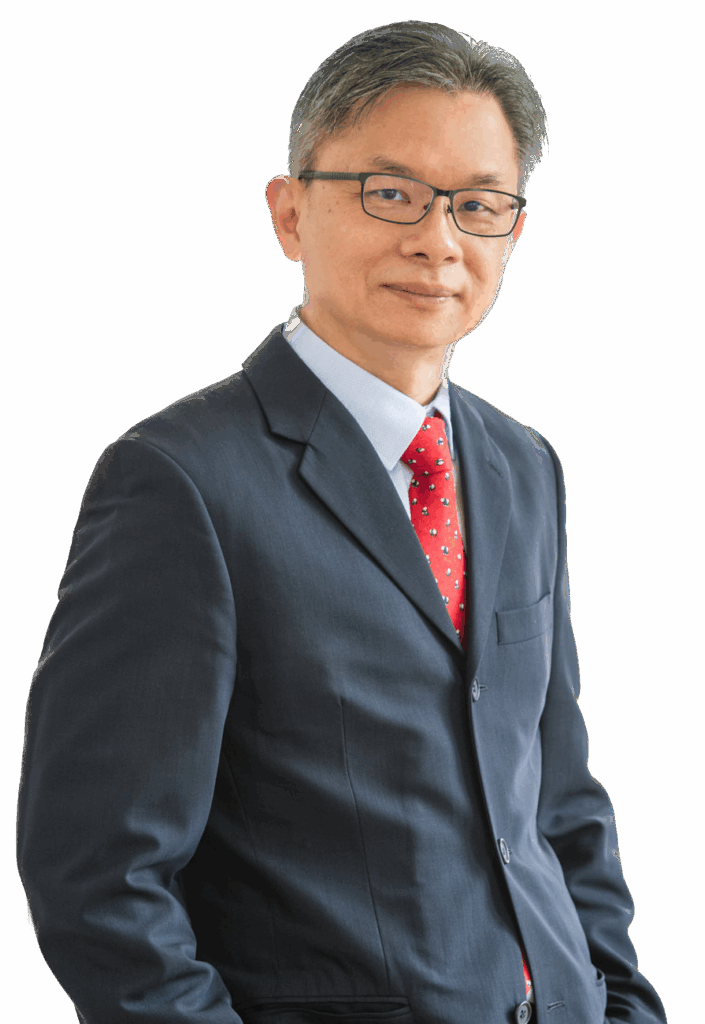
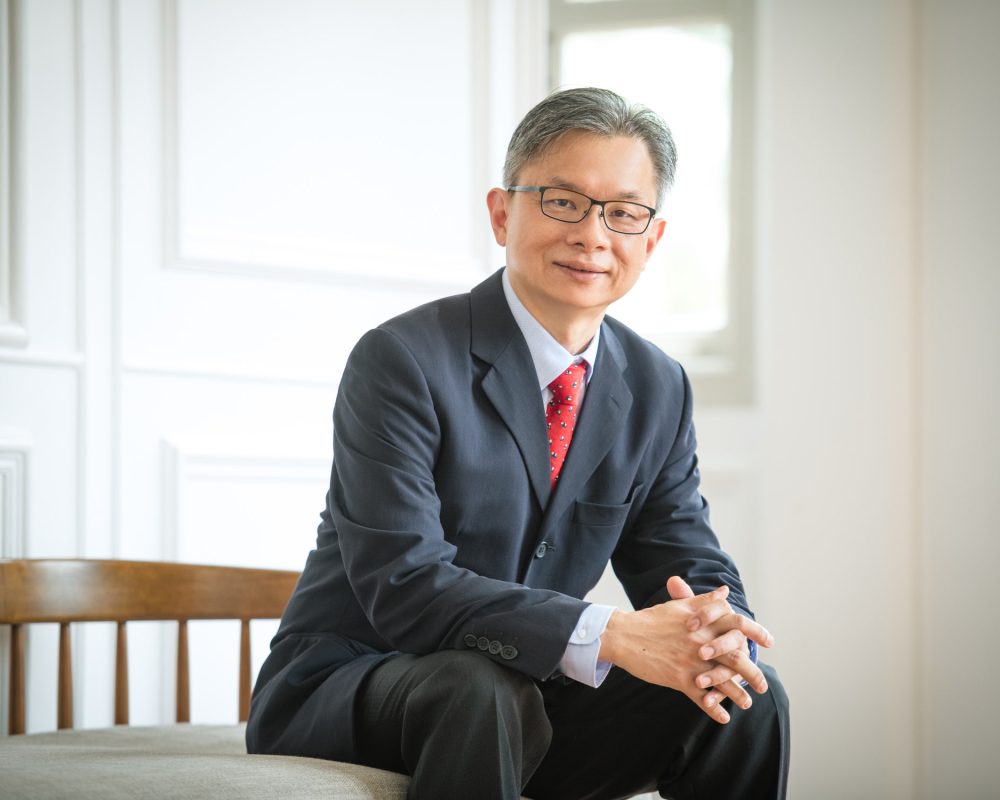
Dr. Tan Yih Kai, Senior Consultant Vascular and Endovascular Surgeon & Wound Care Specialist, is accredited by the American Board of Wound Management (ABWM) and is committed to providing comprehensive care to support wound management and improve patients’ quality of life.


- treatment areas
Conditions We Treat

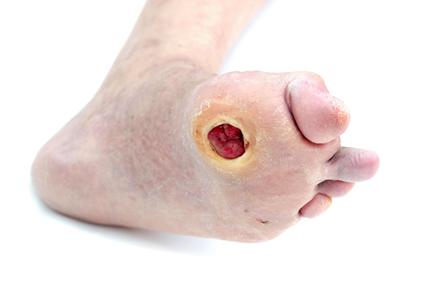
Diabetic Foot Wound
Open sores or wounds caused by poor circulation and nerve damage, which can lead to serious complications if untreated.

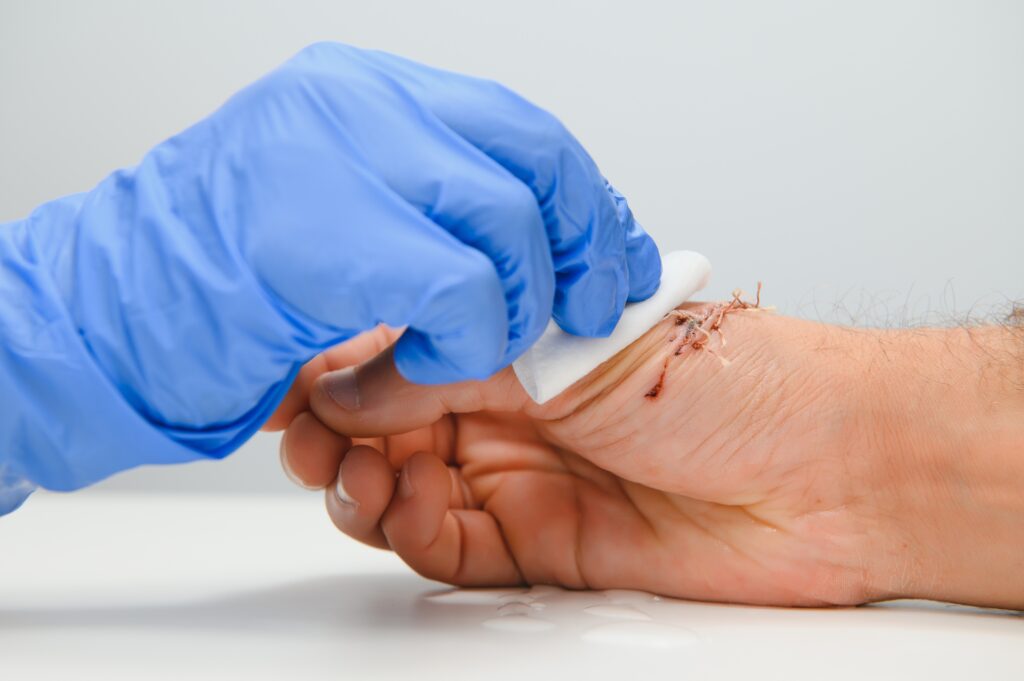
Non-healing Surgical Wounds
Post-surgery wounds that fail to close properly due to infection, poor circulation, or underlying health conditions.

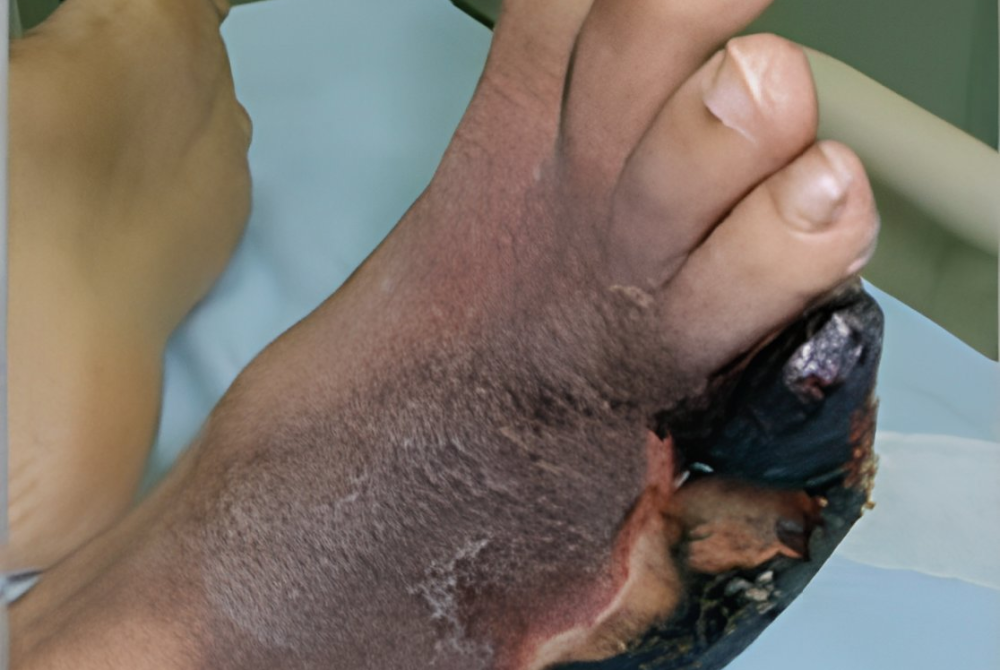
Gangrene
Serious condition where body tissue dies due to loss of blood supply, often requiring urgent medical attention and specialized wound care.

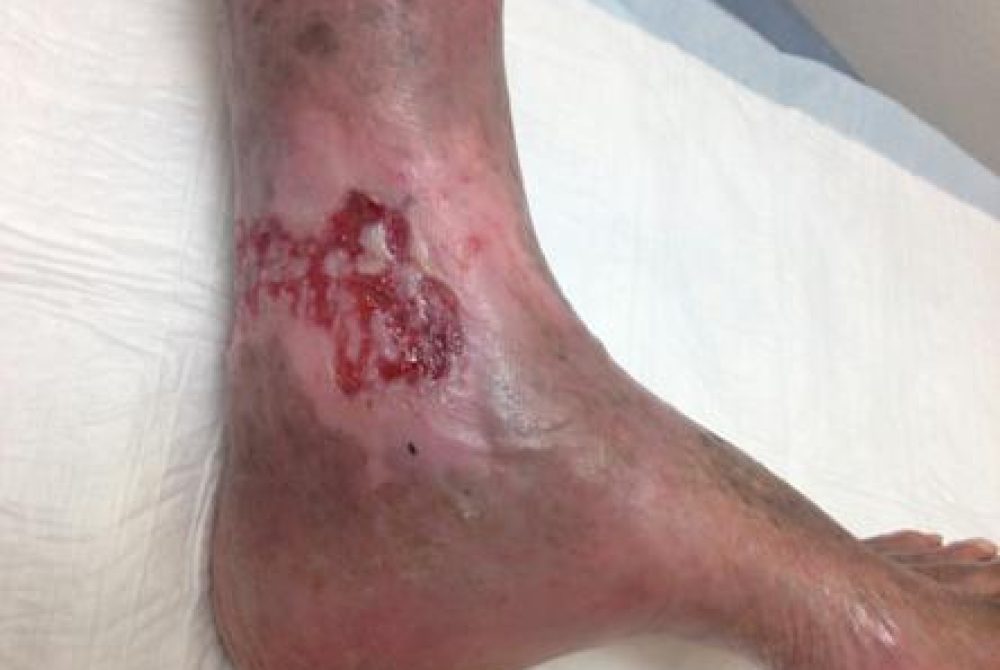
Venous Ulcers
Slow-healing sores on the legs or ankles caused by faulty vein valves, leading to fluid buildup, swelling, and skin breakdown.

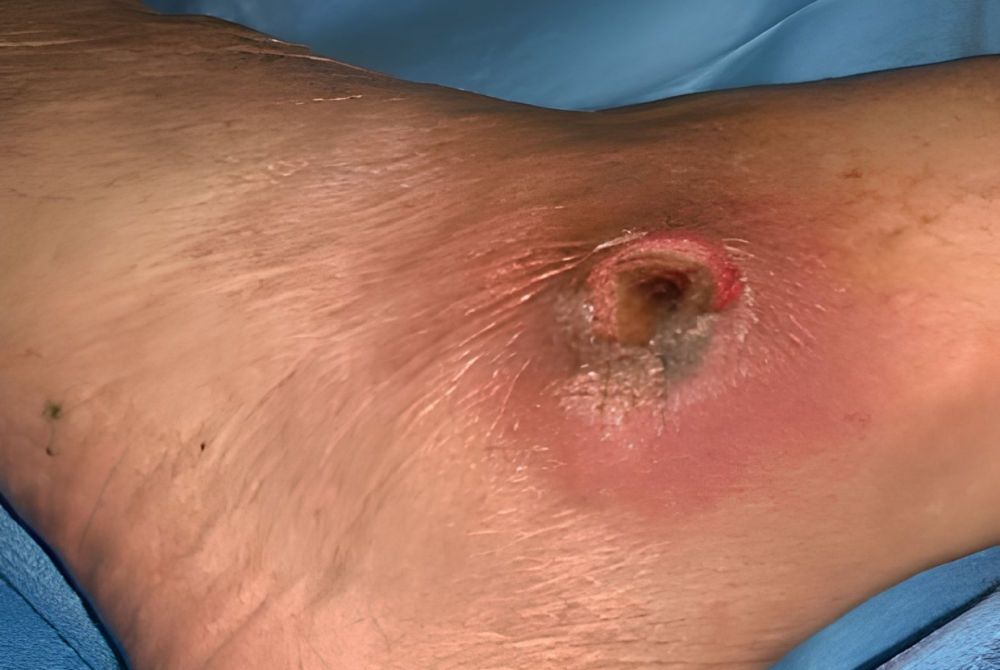
Ischemic/Arterial Ulcers
Painful wounds that develop when narrowed or blocked arteries restrict blood flow, usually on the lower legs, feet, or toes.


Infected Wounds
Wounds that show signs of infection such as redness, swelling, pus, or pain, requiring prompt medical treatment to prevent complications.

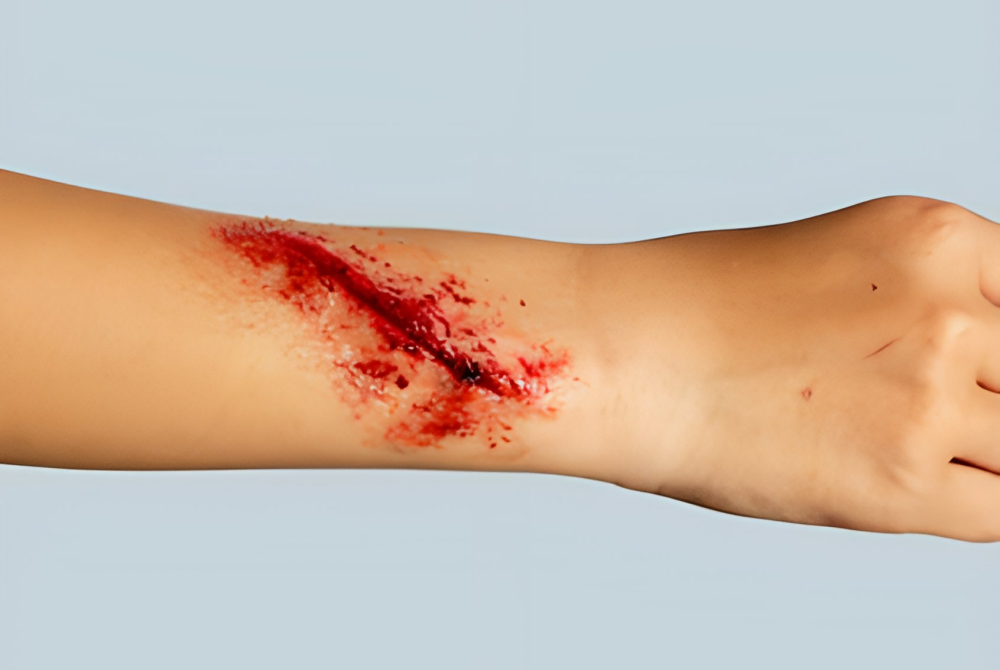
Traumatic Wounds
Injuries from accidents, cuts, or blunt force trauma that may struggle to heal due to tissue damage or contamination.

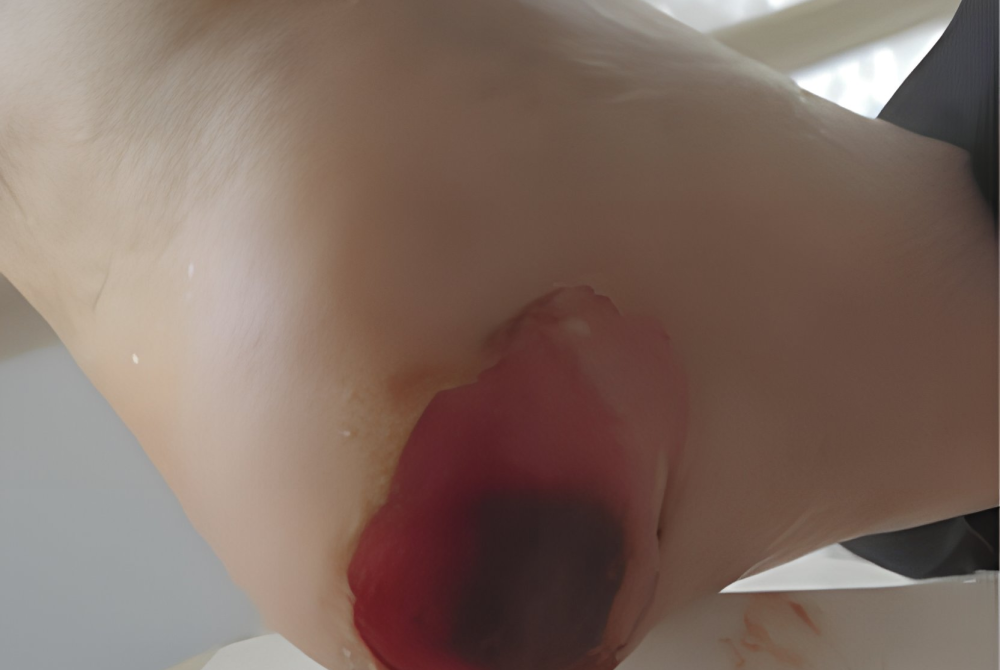
Pressure Ulcers
Also known as bedsores, these develop on skin under prolonged pressure—often in bedridden or immobile patients—leading to skin and tissue damage.
Concerned about a chronic wound or vascular issue?
Book an appointment or get a second opinion with our specialist today.
Credentials & Achievements
- Fellow of the Royal College of Surgeons of Edinburgh (FRCSEd)
- Certified Wound Specialist Physician (CWSP), American Board of Wound Management (ABWM)
- 25+ years of clinical experience in vascular surgery and wound care
- Founding Chairman, Wound Management Committee, Changi General Hospital
- Established the CGH Wound Healing Centre
- Advisory Board Member, ConvaTec Group
- About us
Compassionate Care, Trusted Expertise
At The Vascular Vein and Wound Centre, our specialist brings expertise and experience to every patient with chronic and complex wounds.
Dr. Tan Yih Kai, Senior Consultant Vascular and Endovascular Surgeon, is SMC-registered and fellowship-trained. He is accredited by the American Board of Wound Management (ABWM) and leads his team in delivering safe, personalized, and evidence-based care.
+65 9667 6795
- symptoms
When Should You See a Wound Specialist?
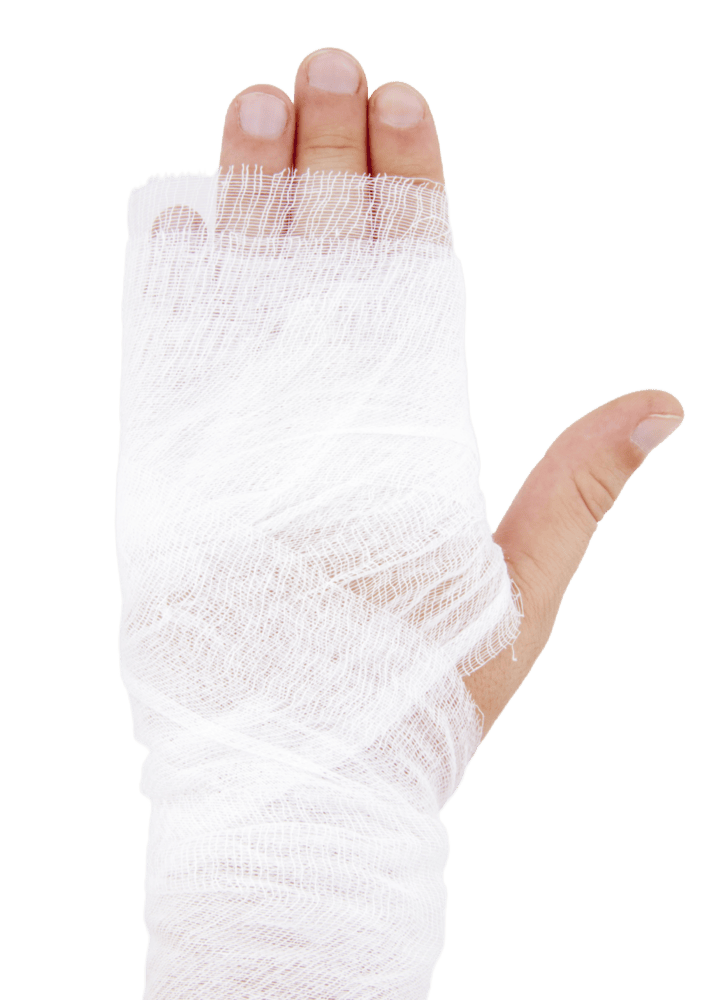
A wound is typically considered non-healing or chronic if it shows little to no improvement after two to four weeks. Delaying treatment can lead to severe complications, including infections, gangrene, and even amputation.
It’s crucial to seek expert care if you notice any of the following signs:
No Improvement
The wound has not significantly healed or started to close within 4-6 weeks.
Signs of Infection
You observe increasing pain, redness spreading around the wound, swelling, warmth, pus, a foul odour, or have a fever.
Worsening Condition
The wound is getting larger, deeper, or more painful over time.
Underlying Health Issues
You have conditions known to affect healing, such as diabetes, poor circulation (peripheral artery disease), or venous disease.
Recurring Wounds
The wound seems to heal but repeatedly reopens in the same spot.
Presence of Dead Tissue
The wound bed contains black or yellow tissue (known as eschar or slough).
Get Solutions From Our Specialist
- our treatments
Treatment Methods
Utilizing a wide range of advanced wound dressings and healing devices, including silver-based and collagen-based dressings, to treat complex wounds. These dressings help maintain a moist wound environment, protect peri-wound skin, promote new tissue growth, and treat infections.
Debridement is the process of removing dead or damaged tissue from a wound so it can heal more effectively. This can be done in different ways, such as with surgical instruments, special dressings, or solutions that help the body clear away unhealthy tissue.
Desloughing is a type of debridement that specifically targets soft, yellow slough—a layer of non-healing tissue that can trap bacteria and delay recovery. Removing slough helps create a clean, healthy wound bed and supports faster healing.
Employing gentle suction via a wound dressing and a small electrical pump to help wounds heal faster. NPWT maintains a moist wound environment, removes excess fluid and infectious material, reduces swelling, promotes blood supply to the wound, and encourages healthy tissue growth.
Ultrasound electric wound therapy (CUSEFS) is an advanced treatment that combines ultrasound waves and gentle electrical stimulation to support faster healing of chronic wounds. This therapy helps improve blood flow, reduce swelling, fight bacteria, and stimulate cell growth—key steps in the body’s natural healing process.
Performing split-thickness skin grafting to cover wounds with large defects. This surgical procedure involves removing the top layer of skin from one area of the body and moving it to cover the wound defect, increasing the healing rate and reducing the risk of complications.
Administering 100% oxygen at greater than 1 atmosphere absolute pressure to enhance wound healing. HBOT is effective in improving wound healing and combating infection, especially in diabetic foot wounds and ulcers.
Trained Specialist providing vascular and wound care
Comprehensive, Evidence-Based Care addressing both local and systemic factors
Personalized Treatment Plans tailored to each patient
- how it works
Treatment Approach
Many chronic wounds, particularly on the legs and feet, are a symptom of inadequate blood supply. As a Vascular Surgeon and a certified Wound Specialist Physician, Dr. Tan Yih Kai has the unique expertise to diagnose and treat both the wound itself and its underlying vascular cause. This comprehensive approach ensures you receive the most relevant and effective care for successful healing.
Prompt diagnosis, effective treatment, and continuous care are critical to healing chronic wounds and avoiding amputation. This comprehensive approach is proven to lead to better results and faster recovery.
Dr Tan Yih Kai
Surgeon
# 1
Debridement by removing dead skin and tissue in the wound bed
# 2
Applying appropriate dressings, including medicated dressings, to treat and prevent infection
# 3
Treating and preventing infection
# 4
Restoring adequate blood flow to the wound
# 5
Offloading by taking pressure off the wound
# 6
Managing blood sugar in patients with diabetes
Our Insurance Partners
We support patients with Medisave eligibility and major insurance providers. Assistance is available for insurance claims and financing options.











Give us a call and let's find the best solution together.
Book your consultation through WhatsApp!
Email Us
Enquire now! We'll get back to you within 24 hours.
Our Locations
Farrer Park Specialist Centre – 1 Farrer Park Station Road #13-11 Connexion, Singapore 217562
Mount Elizabeth Novena Hospital – 38 Irrawaddy Road, #05-29, Singapore 329563
Get In Touch
Book a consultation today and take the first step toward healing your chronic or non-healing wound with expert care from Dr. Tan.
- The Vascular Vein and Wound Centre. All rights reserved
maintained by PULSE Digital